THE SKIN BARRIER KILLER NOBODY IS TALKING ABOUT
Barrier repair serums. Ceramides. Peptides. Gentle cleansers. If you've spent any time on social media lately, you've probably noticed one phrase showing up everywhere: skin barrier.
And for good reason. The skin barrier conversation has officially gone mainstream. Dermatologists are talking about it. Brands are building entire product lines around it. And millions of people are finally realizing that healthy skin doesn't always start with the latest serum that the beauty industry wants them to buy. Sometimes a simple solution can be more powerful than any product.
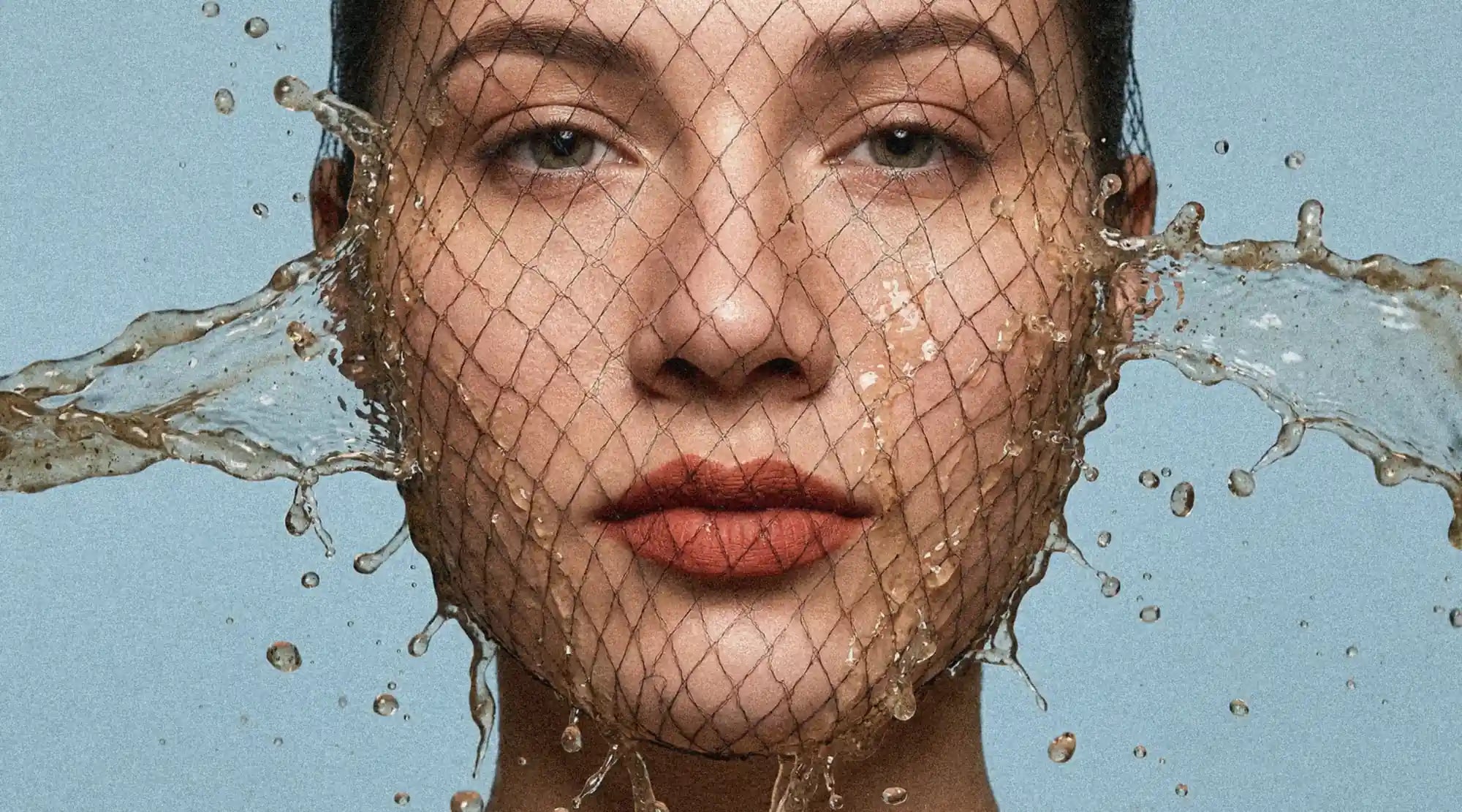
But there's a blind spot in this entire conversation. And it comes down to something as basic as water. This is such a fundamental aspect of your routine. You can build the most thoughtful skincare routine in the world, but if the water hitting your skin every single day is working against you, you might be fighting a losing battle and left wondering what went wrong.
SO, WHAT IS THE SKIN BARRIER?
In simple words, your skin barrier is what helps keep good things in (like moisture) and bad things out (like pollutants). In scientific terms, the skin barrier is called the stratum corneum and is the outermost layer of the epidermis. Although very thin, the stratum corneum provides a tough defense and helps maintain skin integrity. It keeps your skin well hydrated and prevents bacteria, fungi, environmental toxins, pollutants, allergens, and other harmful substances from sneaking past your defenses and into your body. It also helps protect your skin from sun damage by blocking harmful UV rays, the same rays that can cause skin cancer.
When your skin barrier is healthy, your skin feels smooth, hydrated, and resilient. You don't even think about it. And that's the whole point.

HOW CAN YOU TELL IF YOUR SKIN BARRIER IS DAMAGED?
When your skin barrier starts to break down, you'll usually feel it before you see it.
A damaged skin barrier can't hold moisture the way it should. Water escapes, and your skin starts to feel dry, tight, and uncomfortable, even right after you moisturize. At the same time, irritants that your barrier would normally block start getting through. That's when the redness, sensitivity, itching, and flaking kick in and refuse to go away.
Products that used to feel perfectly fine on your skin are suddenly ineffective or even sting or burn. You check the formula. Same as always. That's your barrier telling you it's damaged.
Over time, a compromised skin barrier can lead to or worsen conditions like eczema, acne, and chronic sensitivity. Your skin becomes reactive and unpredictable. And the frustrating part is, a lot of people respond by adding more products, which can actually make things worse.
If any of this sounds familiar, your skin barrier might need some attention.
WHAT DISRUPTS THE SKIN BARRIER?
By now, the skincare world has a pretty good handle on the usual suspects.
Over exfoliation is probably the most common self inflicted one. Acids, peels, and scrubs can do wonders when used right, but too much too often strip away your natural protective oils and destroy your skin barrier.
- Harsh cleansers, especially foaming formulas that leave your face feeling “squeaky clean,” break down your skin's natural oils and aggressively disrupt your skin barrier.
- UV exposure weakens the barrier over time and accelerates skin aging.
- Environmental pollution creates oxidative stress that chips away at your skin's defenses.
- And everyday habits like hot showers, skipping moisturizer, stress, diet, and poor sleep can exacerbate the damage even further.
These are all well known and well documented. But there's one major culprit that almost never makes the list.
THE SKIN BARRIER KILLER HIDING IN PLAIN SIGHT
Your tap water. The same water you wash in, every day.
What comes out of your showerhead can include chlorine, chloramine, heavy metals, PFAS, pesticides, herbicides, hard water minerals, sediment, and more. And all of these work together to sabotage your skin barrier.
Chlorine and chloramine strip your skin's natural oils, weakening the barrier. Research has shown that chlorine in bathing water significantly reduces the skin's ability to hold moisture. Heavy metals like nickel, mercury, and lead cause oxidative stress that damages skin cells and disrupts barrier function directly.
If you have hard water, which is extremely common, the calcium and magnesium in it leave deposits on your skin, clog pores, and weaken the barrier even further. A study published in the Journal of Allergy and Clinical Immunology found that living in a hard water area is associated with up to 87% increased risk of developing eczema in infants.
Then there's PFAS. In a 2024 study, these "forever chemicals" were found to penetrate the skin on contact and reach the bloodstream, with potentially serious long term implications.
Meanwhile, consumers are spending hundreds, even thousands, of dollars per year on skincare and rinsing it all off with water that damages their barrier in the first place.
HOW TO PROTECT AND REPAIR YOUR SKIN BARRIER
The good news is, once you're aware of the problem, the steps to fix it are pretty clear.
Keep showers short and lukewarm. Hot water strips your skin's natural oils faster and increases transepidermal water loss (TEWL). Dermatologists consistently recommend lukewarm water over hot.
Simplify your routine. Cut back on actives like retinoids, AHAs, and BHAs while your barrier is recovering. Dermatologists recommend paring it down to three basics: a gentle cleanser, a barrier repair moisturizer, and sunscreen.
Use a gentle, pH balanced cleanser. Avoid anything that foams aggressively or leaves your skin feeling "squeaky clean." Sulfate free, fragrance free formulas are the safest bet.
Good examples (available OTC):
- CeraVe Hydrating Facial Cleanser
- La Roche Posay Toleriane Hydrating Gentle Cleanser
Moisturize within minutes of showering. Apply while your skin is still slightly damp to lock in hydration. Look for moisturizers containing ceramides, which make up about 50% of your skin's outer layer and are essential for barrier repair. Niacinamide (vitamin B3) is another powerhouse. Studies show it boosts your skin's natural ceramide production by 4 to 5 times. Hyaluronic acid and glycerin help pull and hold water in the skin, while squalane and petrolatum act as seals that prevent moisture from escaping.
Good examples (available OTC):
- CeraVe Moisturizing Cream
- La Roche Posay Cicaplast Balm B5
- Dr. Jart+ Ceramidin Skin Barrier Moisturizing Cream
Wear SPF 30+ daily. UV radiation damages the barrier even on cloudy days. Dermatologists call this non negotiable.
Be patient. Mild barrier damage can improve in a few days to two weeks. More significant damage, like from over exfoliation or prolonged chemical exposure, can take 4 to 6 weeks to fully heal. Resist the urge to add more products during this time. Less is more.
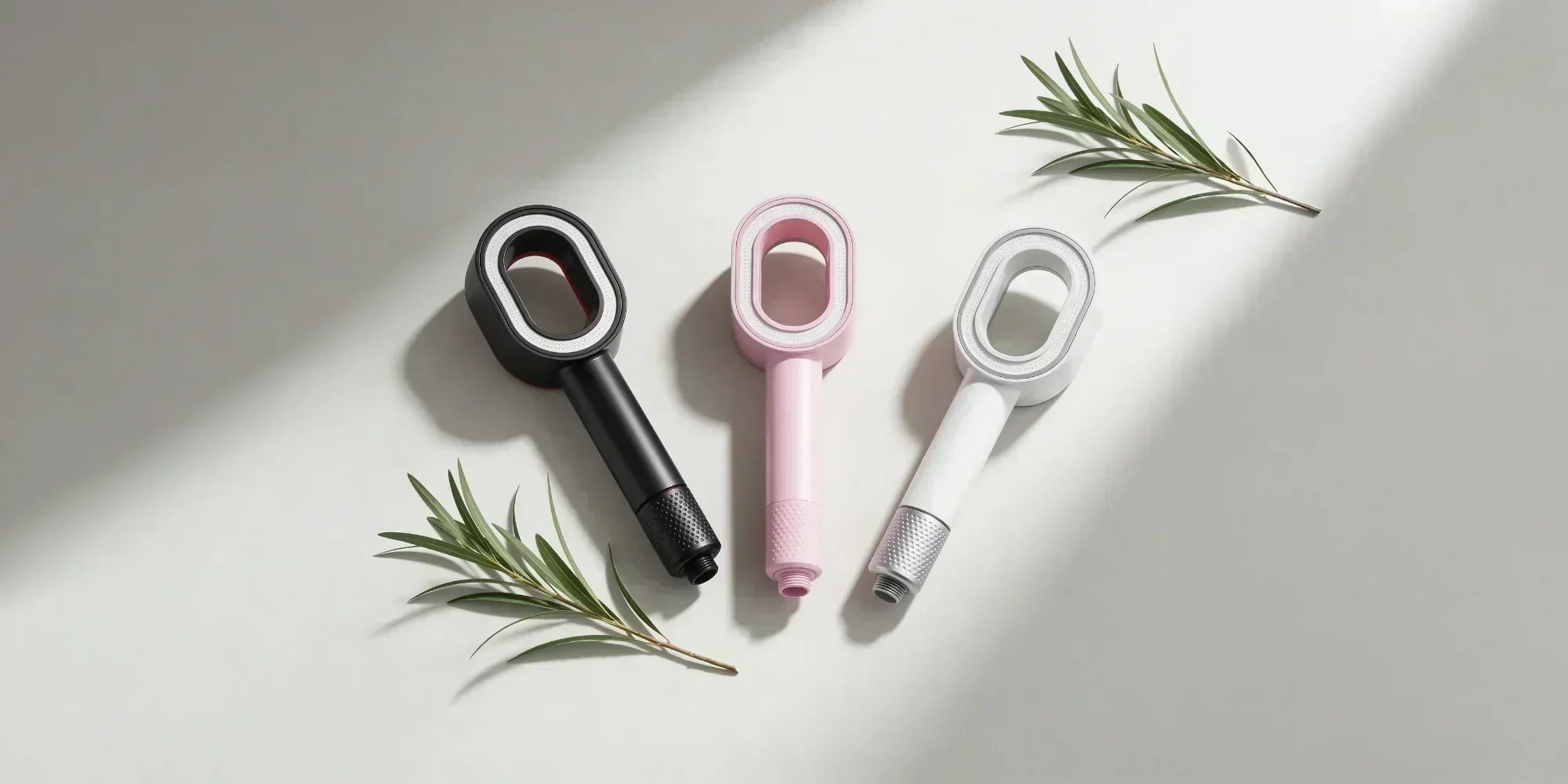
Filter your shower water. This may be the most foundational and impactful step of all. A quality shower filter removes chlorine, heavy metals, and PFAS, while also softening the water. It addresses the root cause before you ever need a product to treat the symptoms.
KEY TAKEAWAYS
The skin barrier conversation is one of the best things to happen in skincare in recent years. People are finally understanding that healthy skin isn't about the most aggressive routine or the most expensive products. The skin barrier is the body’s first line of defense against damage, and it is crucial to protect its integrity.
Another surprising takeaway is that it all starts with water. Filtering your shower water won't fix or replace your skincare routine, but it might be the missing piece that makes everything else work.
SOURCES
1. What Is The Stratum Corneum
2. Solar UV Radiation Reduces The Barrier Function
3. Understanding Damaged Skin Barrier
4. Over-Exfoliation: Warning Signs
5. Chlorine Reduces Skin's Moisture Holding Ability
6. Heavy Metals Disrupt Skin Barrier
7. Hard Water and 87% Increased Eczema Risk
8. Hard Water Weaks Barrier Function
9. PFAS Penetrate Skin Barrier and Reaching Bloodstream
10. Tap Water Contains Chlorine, Heavy Metals, PFAS, and More
11. Risks of PFAS to Humans
12. Skin Barrier Function
13. Epidermal Barrier in Healthy and Compromised Skin
14. Skin 101: Understanding the Fundamentals of Skin Barrier Physiology
15. Stratum Corneum Defensive Functions
16. Hard Water As a Cause of Eczema
17. Know and Protect Your Skin Barrier
18. Tips from Dr. Piliang and Dr. Khetarpal
19. Dermatologist Recommended Barrier Creams
20. Boosting Ceramide Synthesis 4 to 5 Fold
21. Dr. Kellie Reed on Barrier Basics, Recovery Timeline, Ceramides and Acne
22. Simplified Barrier Repair Routines
23. Tips on How to Protect Your Skin Barrier